November 18, 2026 | Addis Ababa, Ethiopia
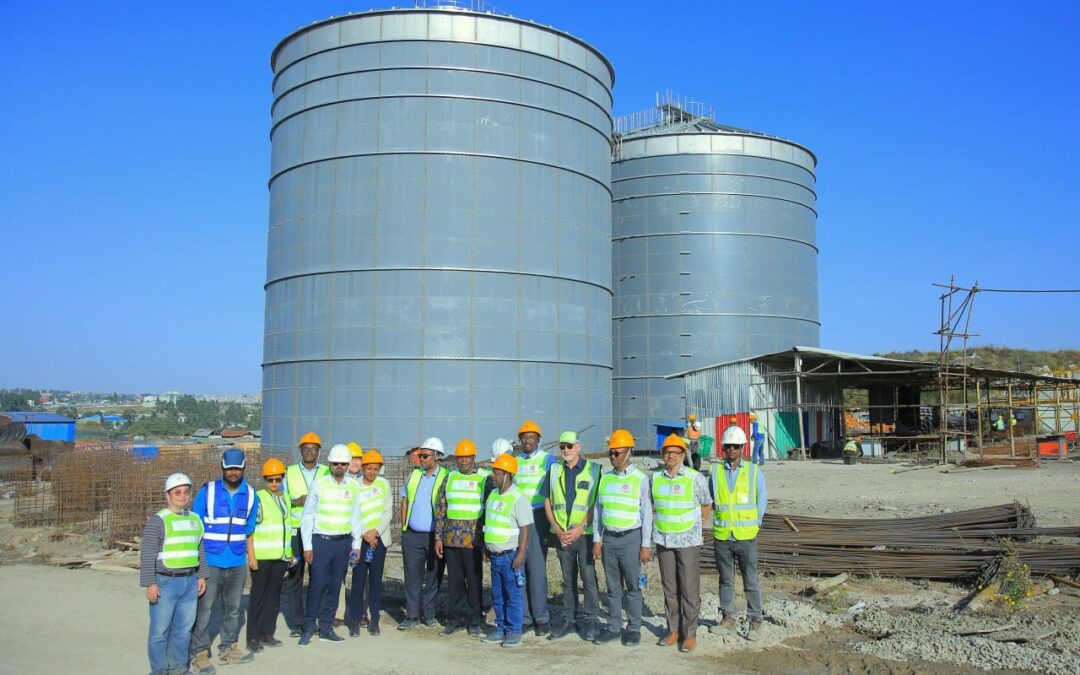
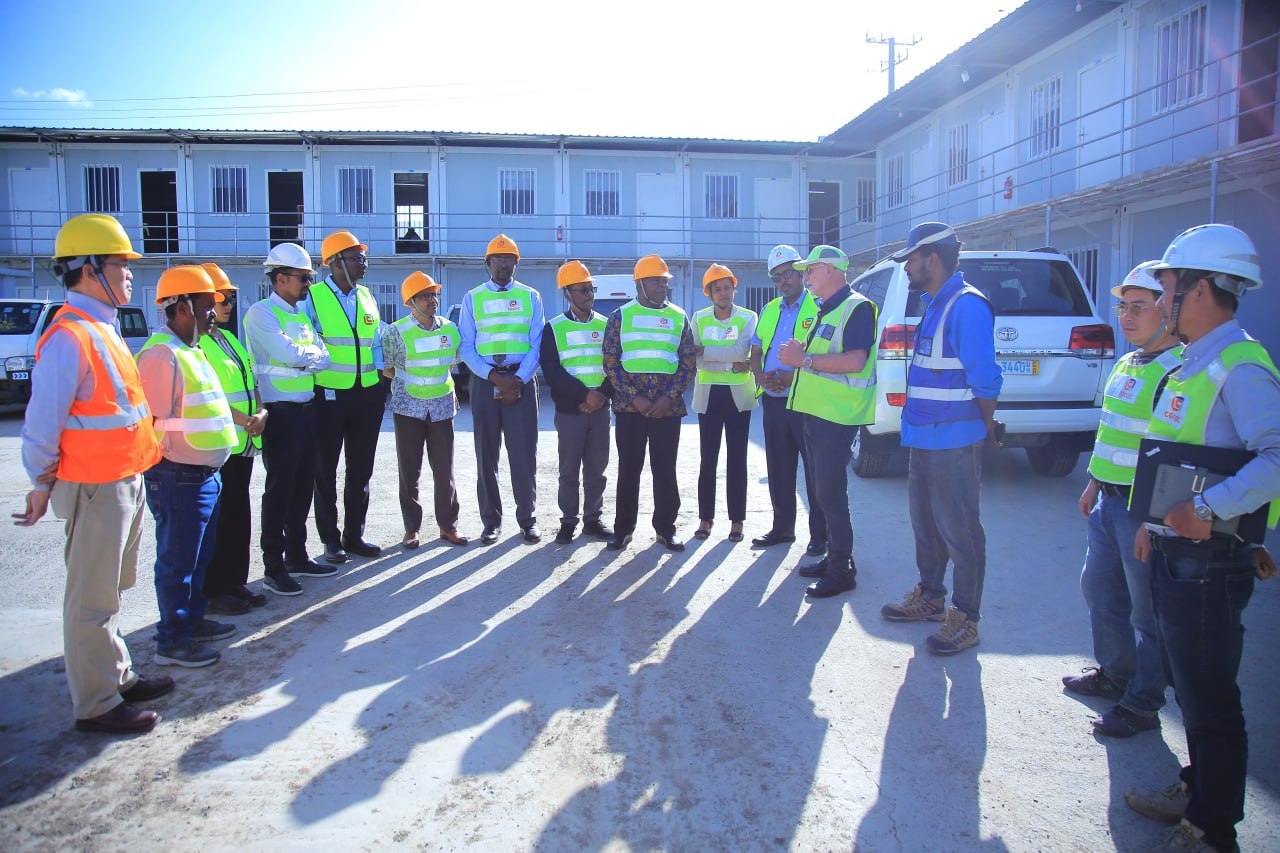
A delegation from the World Bank Group recently visited the Kitime Wastewater Treatment Plant to review construction progress under the World Bank-financed Addis Ababa City Eastern Sewerage Catchment Project, implemented by the Addis Ababa Water and Sewerage Authority (AAWSA) as part of the Second Urban Water Supply and Sanitation Project.
During the site visit, the delegation received a briefing on construction progress and the technical features of the Kitime facility, which is designed to treat approximately 54 million litres of wastewater per day.
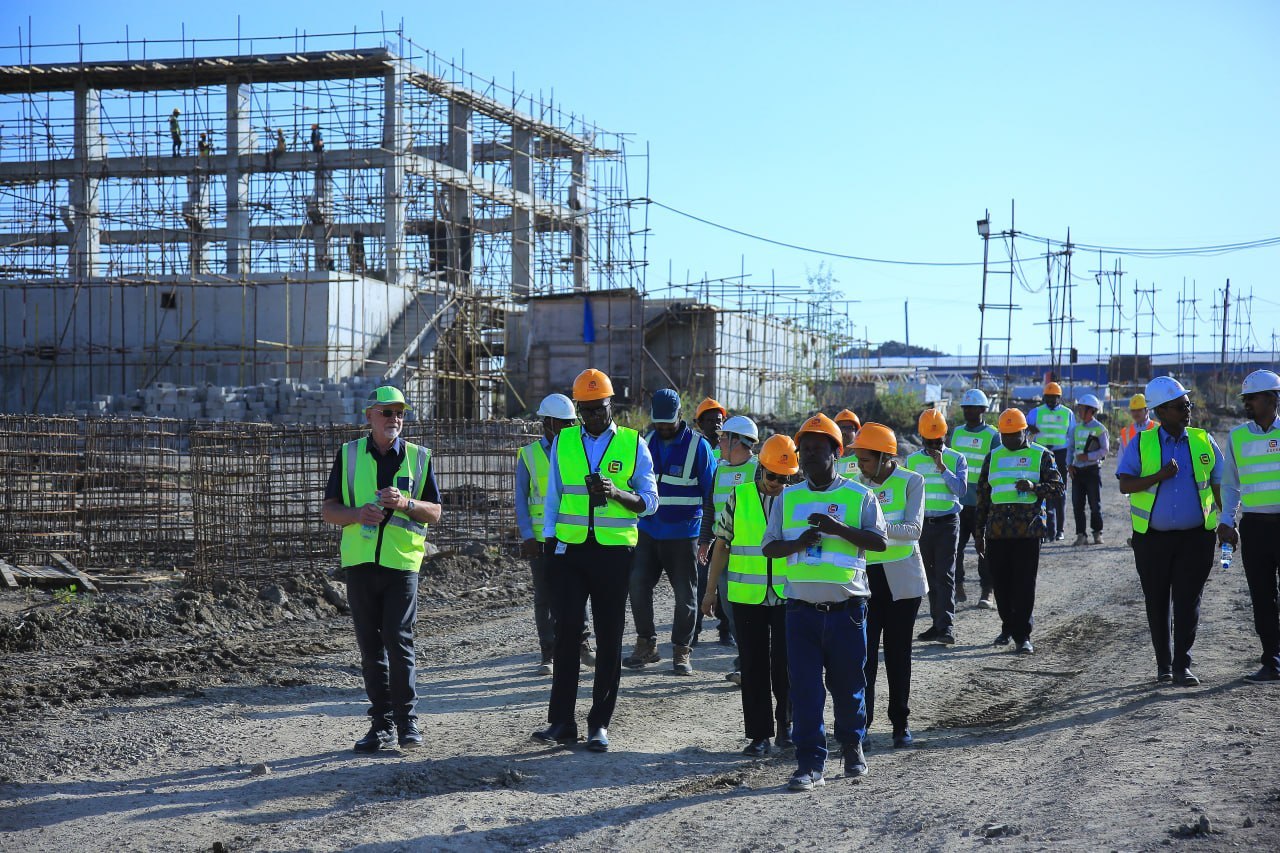
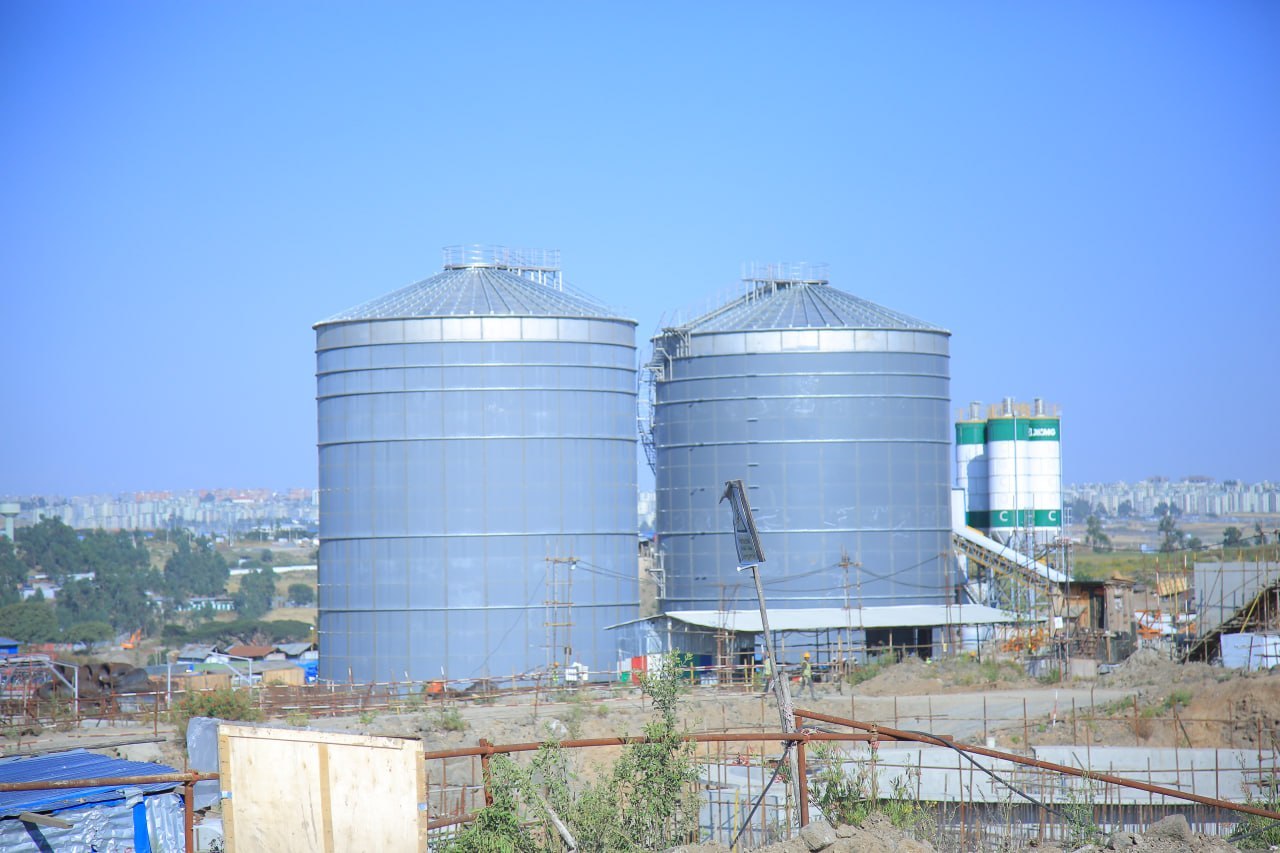
The plant incorporates a modified Conventional Activated Sludge Anaerobic–Anoxic–Oxic (CAS-A2/O) treatment process, including a biological reactor with a volume exceeding 70,000 cubic metres. The system is designed to remove organic matter and nutrients, particularly nitrogen and phosphorus, from wastewater, improving effluent quality and reducing pollution of receiving water bodies.
The facility also incorporates anaerobic sludge digestion and biogas generation technology, expected to meet approximately 30% of the plant’s energy requirements. Biological odour control systems are included to minimize the impact of treatment operations on surrounding communities.
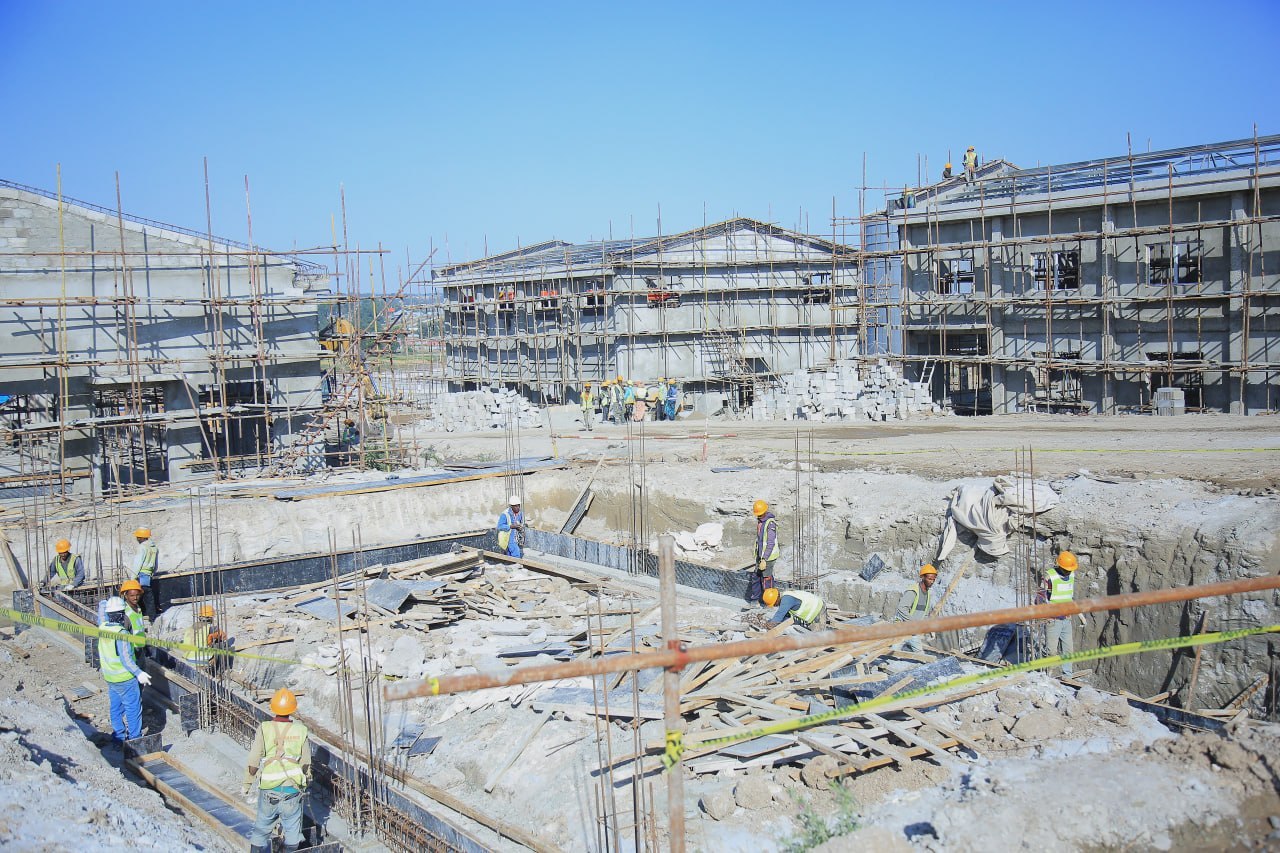
According to AAWSA, construction has reached 70% completion, with the remaining works expected to be finalized within eight months.
The Kitime Wastewater Treatment Plant forms part of a much larger sewerage infrastructure development covering approximately 150 square kilometres of eastern Addis Ababa, nearly one-third of the city, with an estimated one million residents expected to benefit.
The Eastern Sewerage Catchment Project encompasses two major wastewater treatment plants at Kitime and Kotebe, with initial design capacities of 54 million and 51 million litres per day, respectively, providing a combined treatment capacity of 105 million litres per day. The project includes the detailed design of 217 kilometres of trunk, primary and secondary sewer networks serving Bole, Yeka, Lemi Kura and surrounding areas of eastern Addis Ababa.
Nicholas O’Dwyer Ltd., as lead consultant in joint venture with MS Consultancy PLC, is providing engineering consultancy services across the project, including feasibility studies, detailed design, tender documentation, design review, construction supervision and contract administration.
The development includes a Design-Build-Operate (DBO) contract valued at approximately USD 143 million for the wastewater treatment plants, representing a substantial investment in Addis Ababa’s sanitation infrastructure.
Once fully operational and connected to the sewer network, the facilities are expected to significantly expand wastewater collection and treatment capacity, improve public health and reduce environmental pollution. With the eastern catchment population projected to exceed two million by 2045, the infrastructure is also designed to address the city’s growing long-term sanitation needs.
MS Consultancy PLC is honoured to contribute to this significant infrastructure development, supporting the expansion of modern and sustainable wastewater management systems in Ethiopia’s capital.
Photo courtesy: Addis Ababa Water and Sewerage Authority (AAWSA)